
Coffee
Coffee Is More Than Just a Cup
The science behind coffee beans, espresso extraction, flavour notes and milk
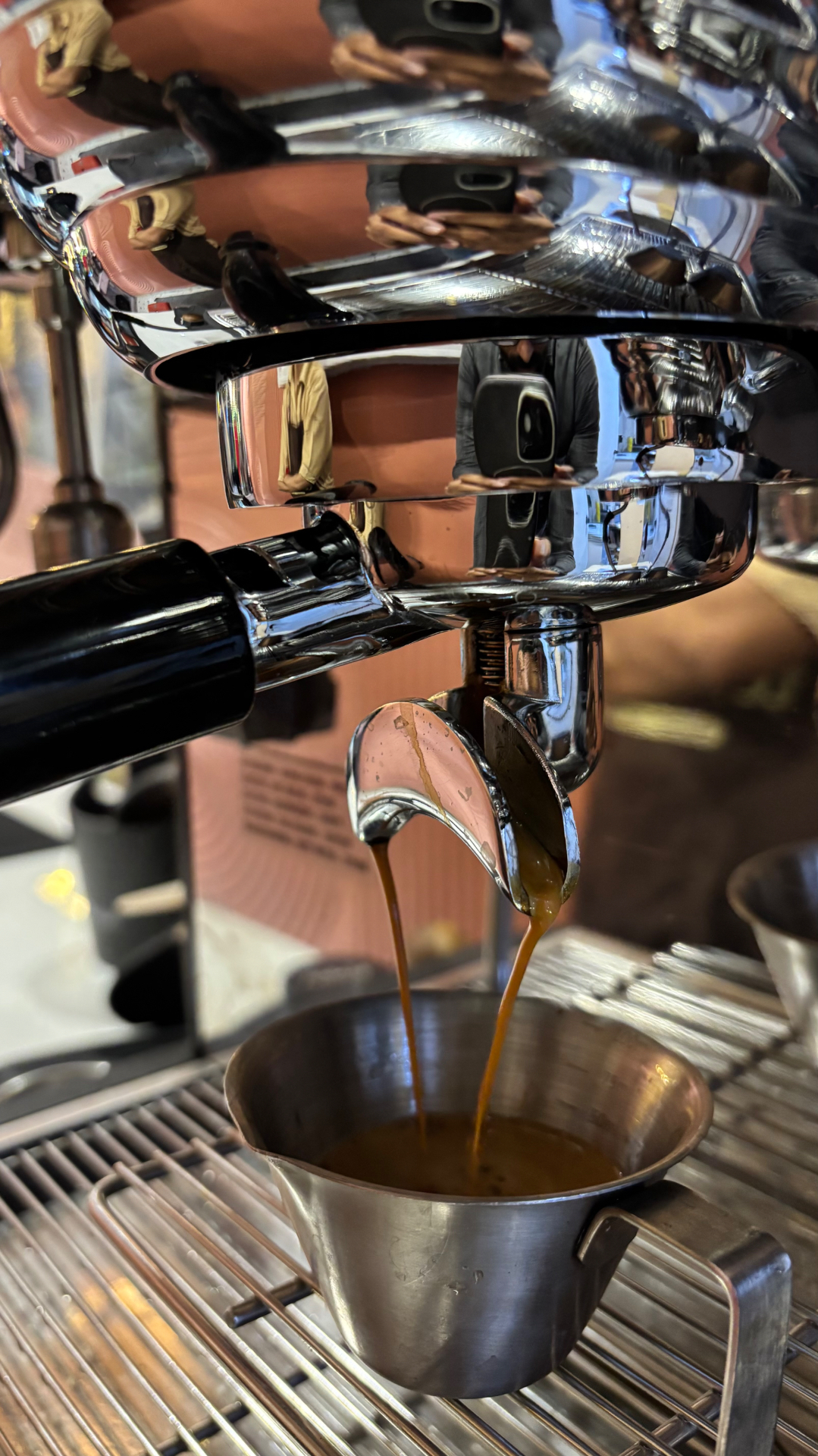
From the bean you choose to the pressure of an espresso machine, every cup of coffee is the result of hundreds of compounds and sensory decisions.
There is something almost deceptively simple about coffee. A few roasted beans. Some water. A little heat. And somehow, the result can taste like chocolate, caramel, berries, citrus, nuts, spices or even flowers.
At Temptado, coffee is at the heart of what we do. But good coffee isn't simply about putting espresso into a cup and adding milk. It starts much earlier – with the bean.
Arabica vs Robusta: Two Beans, Two Personalities
When people talk about coffee, Arabica and Robusta are usually the two names that come up first. They're both coffee, but they don't taste or behave exactly the same.
Arabica (Coffea arabica) is generally associated with a more aromatic, complex and smoother cup. It tends to have lower caffeine than Robusta and can display a wide range of acidity and flavour depending on where and how it is grown.
Robusta (Coffea canephora) generally contains considerably more caffeine and chlorogenic acids. It tends to produce a stronger, more bitter and heavier profile and is commonly used in espresso blends to contribute body and intensity.
That doesn't make Arabica "good" and Robusta "bad." A well-produced Robusta can play an important role in a blend. And the final flavour doesn't depend on species alone: origin, altitude, processing, roasting, grind size, water and extraction all matter.
So What Are “Coffee Notes”?
Coffee may be described as having chocolate, caramel, hazelnut, berry, citrus or floral notes. These are sensory descriptions, not necessarily ingredients added to the bean.
Coffee contains hundreds of volatile and non-volatile compounds created and transformed during roasting and brewing. Some contribute aroma, some acidity, some bitterness, some sweetness perception and some body.
When someone describes a coffee as having chocolate or nutty notes, they're describing what their senses perceive. And this is where coffee becomes fascinating.
At Temptado, our coffee has a fine nutty and chocolaty character. We combine this with several other notes so that you experience a well-rounded and perfect balance of flavors.
Temptado • Espresso • Fizz • Spice
Why Pistachio, Vanilla, Strawberry and Yuzu Work With Coffee
Coffee has enough complexity to pair with flavours that seem completely different from one another.
Pistachio brings a creamy, nutty character that complements coffees with chocolate, caramel and roasted-nut notes. That is why our Pistachio Iced Latte can work so well. Coffee provides bitterness and roast depth while pistachio contributes richness and sweetness.
Vanilla is an easy partner for coffee. It rounds off bitterness and adds soft aromatic sweetness, creating a bridge between espresso and milk.
Strawberry sounds unusual until you consider acidity. Strawberry brings fruitiness and acidity, while some coffees naturally have fruity or berry-like sensory characteristics. The result can feel brighter rather than simply sweeter.
Yuzu takes the idea in another direction. It is intensely citrusy and aromatic, while espresso brings bitterness, roasted depth and acidity. Put them together and you get contrast – the idea behind a Yuzu Espresso Tonic.
Temptado explores these combinations through flavoured iced lattes and espresso-tonic drinks.
All this fits right in only when good coffee beans are extracted under right conditions. This is what an espresso machine helps achieve.
What Actually Happens Inside an Espresso Machine?
Espresso isn't simply "strong coffee." It is an extraction method.
Finely ground coffee is packed into a puck and hot water is forced through it under pressure. Because the coffee is ground finely, the water encounters a large surface area in a compact bed of coffee.
As water moves through the puck, it dissolves and carries away soluble compounds while also emulsifying some coffee oils. The result is a small, highly concentrated beverage containing dissolved compounds, suspended particles and emulsified oils.
And then there's crema. That golden layer on freshly pulled espresso is formed partly by gases released from roasted coffee – particularly carbon dioxide – and emulsified coffee components during extraction. It contributes to the sensory experience as well as the visual character of espresso.
Grind Size, Water and Time: The Three-Way Conversation
Making espresso is a balancing act.
Change grind size and you change how quickly water moves through coffee. Change water temperature and you change extraction kinetics. Change contact time and you change how much soluble material ends up in the cup.
If the grind is too coarse, water can pass through too quickly, potentially producing an under-extracted cup that tastes sharp, thin or sour.
If the grind is too fine, flow can slow dramatically and extraction can become excessive, potentially producing harsh or bitter flavours.
This is why espresso preparation isn't simply "grind, tamp and press a button." It is a controlled extraction process, and small changes can alter the cup.
Espresso vs Cold Brew vs Instant Coffee
Coffee preparation is not a competition in which one method automatically wins.
Espresso uses hot water, finely ground coffee, a short extraction time and pressure. The result is concentrated, aromatic and intense coffee, with a characteristic combination of acidity, bitterness, body and crema.
Cold brew uses cool or room-temperature water over a much longer period. Its sensory profile can be softer and sweeter. Research comparing espresso and cold brew has found cold brew to show more pronounced fruity and rum-like characteristics, while espresso showed stronger coffee, chocolate, smoky and roasted characteristics.
Instant coffee has already been brewed industrially and then dried into a soluble product. It is convenient and consistent, but the sensory experience differs from freshly grinding beans and extracting them immediately.
Espresso is therefore not automatically better than cold brew or instant coffee. The more defensible distinction is sensory and technical: espresso provides a freshly extracted, concentrated coffee experience with a different chemistry and aromatic profile. That difference is one reason cafés continue to pay close attention to espresso equipment, grinders, water and extraction.
Coffee Can Be Good for You
Coffee contains caffeine along with compounds such as chlorogenic acids and other bioactive compounds.
Large reviews of observational research have found coffee consumption to be associated with several favourable health outcomes, including lower risks for some cardiovascular, metabolic, neurological and liver outcomes. However, much of this evidence is observational, meaning it shows associations rather than proving that coffee itself causes those benefits.
The sensible takeaway is simple: enjoy coffee for what it is – a complex beverage that happens to contain caffeine and a range of bioactive compounds.
Then Comes Milk
If espresso is the foundation, milk introduces another piece of science.
A great cappuccino isn't simply espresso with hot milk. It is about temperature, texture and air.
When milk is steamed, the steam wand introduces air while simultaneously heating the milk. This creates microfoam: very fine bubbles dispersed through the milk rather than large, unstable bubbles sitting on top.
The result should be silky rather than merely frothy.
Temperature matters too. Overheating milk can damage its delicate sweetness and create a cooked flavour. Underheating it may prevent the drink from developing the texture and integration that make steamed milk so enjoyable.
The goal is milk that feels smooth, glossy, sweet and integrated with espresso.
Why Coffee and Milk Work So Well Together
Espresso can be intense. Milk softens that intensity.
The fats and proteins in milk change how flavour compounds are perceived, while milk's natural sweetness helps balance coffee's bitterness and acidity.
That is why the same espresso can behave differently as an Espresso, Cappuccino, Latte, Cortado or Iced Latte. The coffee has not necessarily changed; the extraction-to-milk relationship has.
At Temptado, that relationship appears throughout the coffee menu – from cappuccino, café latte and cortado to Vietnamese latte, iced latte and cold coffee variations.
Coffee Is All About Contrast
The most interesting coffee drinks aren't always the ones with the most ingredients. They're often the ones where the flavours balance each other.
Bitterness with sweetness. Acidity with creaminess. Roast with fruit. Coffee with citrus. Nutty with aromatic. Cold with warm.
That's why pistachio can work with espresso. Why vanilla can soften coffee. Why strawberry can make an iced latte feel brighter. And why yuzu and espresso can make sense.
Coffee is remarkably adaptable.
The Temptado Way of Looking at Coffee
At Temptado, we don't see coffee as simply a caffeine delivery system. We see it as an ingredient – something you can taste, explore and pair.
You can keep it simple with an Espresso or Americano. Go classic with a Cappuccino or Café Latte. Make it richer with a Café Mocha. Try something different with a Vietnamese Latte. Go cold with a Pistachio, Coconut Cloud or Strawberry Iced Latte. Or step outside the traditional coffee menu with Yuzu Espresso Tonic.
The best thing about coffee isn't that there is one "correct" way to drink it. It's that there are so many ways to discover it.
Once you start paying attention to the bean, extraction, aroma, texture and pairing, coffee stops being just coffee.
It becomes a conversation.